💰 Skills That Will Make You Rich in 2026 (High-Income Skills You Must Learn)

Degrees Don’t Make You Rich—Skills Do

A few years ago, having a degree was enough to get a good job.

Today?

👉 Thousands of degree holders are unemployed
👉 Companies are hiring based on skills, not just qualifications

And the biggest shift:

👉 People with the right skills are earning 2x–10x more

So the real question is:

👉 What skills should you learn to become financially successful in 2026?


📊 Income Growth Based on Skills

No Skill          ███ 20%
Basic Skill       █████ 40%
Advanced Skill    █████████ 80%
High-Income Skill ████████████ 100%

👉 Skills directly impact your income


🔥 Top High-Income Skills That Will Make You Rich


🤖 1. AI & Automation Skills (Future King)

AI is not the future—it’s the present.

Learn:

  • AI tools
  • Automation workflows
  • Prompt engineering

👉 Combine AI with any skill = Massive advantage

💰 Income Potential: ₹10–50 LPA+


💻 2. Digital Marketing (Evergreen Money Skill)

Every business needs marketing.

Learn:

  • SEO
  • Google Ads
  • Social media marketing

👉 You can:

  • Freelance
  • Start agency
  • Grow your own business

💰 Income: ₹5–30 LPA


✍️ 3. Copywriting (High Paying Skill)

Copywriting = Writing that sells

Used in:

  • Ads
  • Landing pages
  • Emails

👉 Good copywriters earn a lot because they generate revenue

💰 Income: ₹5–40 LPA


🎥 4. Video Editing & Content Creation

Short-form content is booming:

  • YouTube Shorts
  • Instagram Reels

👉 Brands are spending heavily

💰 Income: ₹5–25 LPA


💡 5. Sales & Communication Skills

No matter your field:

👉 If you can sell, you can earn

Learn:

  • Persuasion
  • Negotiation
  • Public speaking

💰 Income: Unlimited


💻 6. Coding / Software Development

Still one of the highest-paying skills.

Top areas:

  • Web development
  • App development
  • AI programming

💰 Income: ₹8–40 LPA


🎨 7. UI/UX Design

  • Website design
  • App design

👉 Focus on user experience

💰 Income: ₹6–25 LPA


📈 8. Data Analysis

Companies rely on data.

Learn:

  • Excel
  • SQL
  • Data visualization

💰 Income: ₹6–30 LPA


🚀 9. Freelancing & Personal Branding

Not just a skill—but a strategy.

  • Build audience
  • Sell services
  • Create income streams

💰 Income: Unlimited


🧠 10. Problem-Solving & Critical Thinking

This is underrated but powerful.

👉 High-level jobs require:

  • Decision-making
  • Strategic thinking

📉 Skill Demand Growth (2026 Trend)

AI Skills           █████████████ 100%
Digital Marketing   ███████████ 90%
Content Creation    ██████████ 85%
Coding              █████████ 80%
Traditional Skills  ██████ 50%

👉 Tech + digital skills dominate


⚠️ Biggest Mistakes People Make

Avoid these:

❌ Learning random skills
❌ Not practicing
❌ Expecting quick money
❌ Ignoring real-world application

👉 Skill + practice = income


💡 How to Learn High-Income Skills (Step-by-Step)


✔ Step 1: Pick One Skill

Don’t try everything at once.

👉 Focus = faster growth


✔ Step 2: Learn from Free Resources

  • YouTube
  • Blogs
  • Online platforms

✔ Step 3: Practice Daily

👉 Skill improves with action


✔ Step 4: Start Earning Early

  • Freelance
  • Internships
  • Small projects

💬 Real-Life Example

Person A:
👉 Keeps watching tutorials
👉 Never practices

Person B:
👉 Learns + applies
👉 Starts freelancing

👉 Result:

  • Person B earns faster

🧩 The Wealth Formula

👉 Skill + Read More

🎓 Best Career Options After 12th (High Salary Guide for 2026)

This One Decision Can Shape Your Entire Future

Finishing 12th is exciting—but also confusing.

Everyone is asking:

  • “What next?”
  • “Which career is best?”
  • “Where is the money?”

👉 And the pressure is real.

Parents suggest one thing. Friends choose another.
Social media shows something else.

But here’s the truth:

👉 There is no single “best” career. There is only the best career for YOU.

This guide will help you:

  • Explore high-salary options
  • Understand future demand
  • Make a smart, practical decision

📊 Career Decision Reality (Simple Graph)

Interest          ██████████ 90%
Skills            ████████ 75%
Market Demand     █████████ 85%
Salary Potential  ████████ 80%

👉 Best career = Balance of all 4


🔬 Best Career Options After 12th (Science Stream)


🩺 1. Doctor (MBBS)

  • One of the most respected careers
  • High earning potential

👉 Requires clearing NEET

💰 Salary: ₹8–25 LPA+


💻 2. Engineering (B.Tech / BE)

Top fields:

  • Computer Science
  • AI & Data Science
  • Robotics

Top colleges via JEE Main

💰 Salary: ₹6–30 LPA+


🧪 3. Pharmacy (B.Pharm)

  • Growing healthcare industry
  • Stable career

💰 Salary: ₹4–12 LPA


🧠 4. Biotechnology / Microbiology

  • Research & innovation
  • Future-focused field

💰 Salary: ₹5–15 LPA


💼 Best Career Options After 12th (Commerce Stream)


💰 1. Chartered Accountant (CA)

  • High demand
  • Strong earning potential

Conducted by Institute of Chartered Accountants of India

💰 Salary: ₹8–25 LPA+


📊 2. Bachelor of Business Administration (BBA) + MBA

  • Management roles
  • Corporate growth

💰 Salary: ₹6–20 LPA


📈 3. Digital Marketing

  • SEO
  • Social media
  • Ads

👉 No degree required—skill-based

💰 Salary: ₹5–25 LPA


🏦 4. Banking & Finance

  • Govt exams
  • Private banking jobs

💰 Salary: ₹4–15 LPA


🎨 Best Career Options After 12th (Arts / Humanities)


🎬 1. Mass Communication / Journalism

  • Media
  • Content creation
  • News industry

💰 Salary: ₹4–15 LPA


🧑‍⚖️ 2. Law (LLB)

  • Corporate law
  • Litigation

Top colleges via CLAT

💰 Salary: ₹6–25 LPA+


🎨 3. Design (UI/UX, Fashion, Graphic)

  • Creative + high demand

💰 Salary: ₹5–20 LPA


🧠 4. Psychology

  • Counseling
  • Therapy
  • HR roles

💰 Salary: ₹4–12 LPA


🚀 New-Age High Salary Careers (2026 Trends)

These are booming 👇


🤖 1. AI & Machine Learning

  • Future-proof
  • Global demand

💰 Salary: ₹10–40 LPA


📱 2. Content Creation (YouTube, Blogging)

  • AdSense
  • Sponsorships

💰 Income: Unlimited


💻 3. Freelancing

  • Writing
  • Designing
  • Coding

💰 Income: ₹3–50 LPA


🎮 4. Gaming & Animation

  • Game design
  • 3D animation

💰 Salary: ₹5–25 LPA


📉 Career Growth Comparison (Simple Graph)

Traditional Careers     ████████ 70%
Tech Careers            █████████████ 95%
Creative Careers        █████████ 85%
Freelancing             ███████████ 90%

👉 Tech + Skill-based careers are growing fastest


⚠️ Biggest Mistakes Students Make

Avoid these 👇

❌ Choosing career based on pressure
❌ Following friends blindly
❌ Ignoring skills and interest
❌ Focusing only on degree, not skills

👉 This leads to frustration later


💡 How to Choose the Right Career (Step-by-Step)


✔ Step 1: Know Your Strengths

Ask yourself:

  • What am I good at?
  • What do I enjoy?

✔ Step 2: Research Market Demand

👉 Choose careers with future scope


✔ Step 3: Consider Income Potential

👉 Balance passion + earning… Read More

❤️ Attachment Styles Explained Simply (And How They Affect Your Relationships)

Why Do You Love the Way You Do?

Have you ever wondered:

  • Why do you get attached quickly?
  • Why do some people fear commitment?
  • Why do relationships feel easy for some and stressful for others?

👉 The answer often lies in your attachment style.

Your attachment style is like a hidden blueprint that shapes:

  • How you connect with people
  • How you react in relationships
  • How you handle love, conflict, and trust

The surprising part?

👉 Most people don’t even know they have one.


🧠 What Is Attachment Theory? (Simple Explanation)

Attachment theory is a psychological concept that explains:

👉 How early emotional bonds (especially in childhood) affect adult relationships

If your early experiences were:

  • Safe and supportive → Healthy attachment
  • Unpredictable or distant → Insecure attachment

👉 These patterns continue into adulthood


📊 The 4 Main Attachment Styles

There are four types:

Secure              ██████████ 50%
Anxious             ███████ 25%
Avoidant            ███████ 20%
Fearful-Avoidant    ███ 5%

👉 Let’s understand each one in simple terms 👇


🔥 1. Secure Attachment (The Healthy One)

💡 Traits:

  • Comfortable with closeness
  • Trusts easily
  • Communicates openly
  • Handles conflict calmly

👉 These people feel safe in relationships


❤️ In Relationships:

  • Balanced love
  • No excessive fear or distance
  • Strong emotional connection

🧠 Example:

They don’t panic if someone doesn’t reply instantly.

👉 They trust the relationship


😟 2. Anxious Attachment (The Overthinker)

💡 Traits:

  • Needs constant reassurance
  • Fears abandonment
  • Overthinks small things
  • Emotionally intense

❤️ In Relationships:

  • Gets attached quickly
  • Seeks validation
  • Feels insecure easily

🧠 Example:

  • “Why didn’t they reply?”
  • “Do they still like me?”

👉 This leads to stress


🧊 3. Avoidant Attachment (The Distant One)

💡 Traits:

  • Values independence too much
  • Avoids emotional closeness
  • Struggles to express feelings

❤️ In Relationships:

  • Pulls away when things get serious
  • Avoids deep conversations

🧠 Example:

They may say:

👉 “I don’t like being dependent on anyone”


⚡ 4. Fearful-Avoidant (Confused Mix)

💡 Traits:

  • Wants love but fears it
  • Pushes people away, then regrets it
  • Emotional ups and downs

❤️ In Relationships:

  • Hot and cold behavior
  • Difficult to understand

🧠 Example:

👉 “I want you… but I’m scared to trust you”


📉 Attachment Style Comparison (Simple Graph)

Trust Level        ██████████ (Secure)
Overthinking       ██████████ (Anxious)
Distance           ██████████ (Avoidant)
Confusion          ██████████ (Fearful)

⚠️ Why Attachment Styles Matter

Your attachment style affects:

  • Who you attract
  • How you behave in love
  • Why relationships succeed or fail

👉 Example:

Anxious + Avoidant =
👉 One chases, one runs

👉 This creates toxic cycles


🧠 Biggest Mistake People Make

They think:

👉 “This is just my personality”

But in reality:

👉 It’s a pattern that can be changed


💡 Can You Change Your Attachment Style?

👉 Yes—and this is the most powerful part

You can move towards secure attachment with effort


🛠️ How to Become More Secure (Practical Steps)


✔ 1. Build Self-Awareness

Ask yourself:

  • Do I overthink?
  • Do I avoid closeness?

👉 Awareness is the first step


✔ 2. Improve Communication

  • Express feelings clearly
  • Avoid assumptions

👉 Healthy communication builds trust


✔ 3. Set

Read More

🧠 Why Overthinking Is Destroying Your Life (And How to Stop It)

Your Mind Is Working Against You

You replay conversations.
You imagine worst-case scenarios.
You overanalyze small decisions.

And before you know it…

👉 You feel stuck, anxious, and mentally exhausted

This is called overthinking.

At first, it feels like you’re being careful or thoughtful.
But in reality…

👉 Overthinking slowly destroys your peace, confidence, and decision-making ability.


🧠 What Is Overthinking? (Simple Explanation)

Overthinking means:

👉 Thinking about the same thing repeatedly
👉 Analyzing beyond what’s necessary
👉 Creating problems that don’t exist

There are two common types:

  1. Rumination → Thinking about the past
  2. Worrying → Stressing about the future

👉 Both lead to mental overload


📊 How Overthinking Affects Your Brain

When you overthink:

  • Stress hormones increase
  • Focus decreases
  • Sleep quality drops

👉 Your brain goes into constant alert mode


🔥 7 Ways Overthinking Is Destroying Your Life


1. It Kills Your Decision-Making

You:

  • Think too much
  • Doubt every option
  • Delay decisions

👉 Result: You miss opportunities


2. It Increases Anxiety & Stress

Overthinking creates:

👉 Problems that don’t even exist

Example:

  • “What if I fail?”
  • “What if they judge me?”

👉 Your mind turns possibilities into fears


3. It Affects Your Relationships

You start:

  • Overanalyzing texts
  • Doubting intentions
  • Creating misunderstandings

👉 This leads to unnecessary conflicts


4. It Reduces Your Confidence

When you constantly doubt:

👉 You stop trusting yourself

  • “Was that the right choice?”
  • “Did I say something wrong?”

👉 Confidence drops slowly


5. It Disturbs Your Sleep

At night:

👉 Your mind becomes more active

  • Replaying events
  • Thinking about future

👉 Result: Poor sleep + fatigue


6. It Stops You from Taking Action

Overthinking leads to:

👉 Analysis paralysis

You:

  • Plan too much
  • Act too little

👉 Dreams remain ideas


7. It Drains Your Energy

Mental exhaustion is real.

👉 Overthinking consumes:

  • Time
  • Energy
  • Focus

📉 Overthinking Cycle (Simple Graph)

Trigger Thought     ███
Analysis            ███████
Stress              ██████████
More Thoughts       █████████████

👉 It becomes a loop that’s hard to break


⚠️ Signs You Are Overthinking Too Much

  • You replay conversations constantly
  • You struggle to make decisions
  • You imagine worst-case scenarios
  • You feel mentally tired often
  • You seek constant reassurance

👉 If this sounds like you, you’re not alone


🧠 Biggest Myth About Overthinking

People think:

👉 “Overthinking helps me avoid mistakes”

Reality:

👉 It creates more problems than it solves


💡 How to Stop Overthinking (Proven Methods)


✔ 1. Take Action Immediately

Instead of thinking:

👉 Do something

  • Small step
  • Quick decision

👉 Action breaks overthinking


✔ 2. Set a Time Limit for Decisions

Example:

  • Decide within 10–15 minutes

👉 This trains your brain to avoid over-analysis


✔ 3. Challenge Your Thoughts

Ask yourself:

👉 “Is this real or just in my head?”

Most of the time…

👉 It’s just imagination


✔ 4. Focus on What You Can Control

Stop worrying about:

  • Others’ opinions
  • Future uncertainty

👉 Focus on your actions


✔ 5. Practice Mindfulness

  • Stay present
  • Focus on current moment

👉 This reduces mental noise


✔ 6. Limit Information Overload

Too much information = more … Read More

🔥 Daily Habits That Are Silently Making You Poor (You Won’t Even Notice!)

😳 You’re Not Broke… You’re Just Leaking Money Every Day

Most people believe they are not earning enough money. They think a higher salary, a better job, or a side hustle will solve their financial problems.

But here’s the uncomfortable truth—
👉 It’s not always about how much you earn. It’s about how much you lose without realizing it.

Every single day, small habits quietly drain your money. These habits don’t feel dangerous because the amounts seem small—₹50 here, ₹200 there, a subscription you forgot about, or a quick online order.

Individually, they don’t look like a problem.
But combined over months and years, they can cost you thousands—even lakhs of rupees.

The worst part? You don’t even notice it happening.

Let’s uncover the daily habits that are silently making you poor—and what you can do to stop them.


☕ Spending Small Amounts Without Tracking

Buying a cup of coffee, ordering snacks, or making small impulse purchases feels harmless. After all, it’s just ₹100 or ₹200, right?

But this is exactly where the trap begins.

Small daily expenses are the biggest financial leak because they don’t trigger guilt. You don’t think twice before spending, and you rarely track these purchases. Over time, these tiny amounts add up to a significant chunk of your income.

For example, spending ₹200 daily becomes ₹6,000 per month and ₹72,000 per year.

That’s not small anymore.

👉 What’s really happening:

  • You underestimate small expenses
  • You don’t track daily spending
  • You normalize unnecessary purchases

📱 Paying for Subscriptions You Don’t Even Use

In today’s digital world, subscriptions are everywhere—OTT platforms, music apps, cloud storage, premium tools, and more.

Many people subscribe once and forget about it. The money keeps getting deducted automatically every month, even if the service is rarely used.

This is one of the easiest ways money slips out of your account silently.

You don’t feel the loss because it’s automated.
But your bank balance definitely does.

👉 Hidden money drain:

  • Unused OTT subscriptions
  • Auto-renewal charges
  • Premium apps you barely use

🛒 Impulse Buying Is Destroying Your Budget

Scrolling through shopping apps, seeing discounts, flash sales, or “limited-time offers” creates a sense of urgency.

You feel like you’re saving money—but in reality, you’re spending more.

Impulse buying is emotional, not logical. You buy things you don’t actually need, simply because they are available at a “good deal.”

And this habit repeats again and again.

👉 Why it happens:

  • Fear of missing out (FOMO)
  • Attractive discounts
  • Emotional decision-making

💳 Not Understanding Where Your Money Goes

One of the biggest financial mistakes is not knowing where your money is actually being spent.

Many people earn well but still struggle financially because they lack visibility. They don’t track … Read More

Your Gut: Hidden Key to Energy, Mood, & Immunity

In today’s fast-moving world of wellness, one powerful truth is becoming impossible to ignore—your gut health affects almost everything in your body. Your gut isn’t just a place where food gets digested. It’s like a control center that quietly influences your immunity, mental clarity, skin glow, energy levels, and even your mood. When your gut is healthy, you feel it. When it’s not, your body lets you know in many ways.

So, what exactly is gut health?

Inside your digestive system lives a massive community of trillions of tiny organisms—bacteria, fungi, and other microbes—together known as your gut microbiome. Think of them as a hidden support system working 24/7. They help break down food, absorb essential nutrients, protect you from harmful bacteria, and even communicate with your brain through hormones and neurotransmitters.

When this system is balanced (a state called eubiosis), your body functions smoothly—you feel energetic, focused, and healthy. But when this balance is disturbed (known as dysbiosis), problems can start to show up.

You might experience bloating, digestive discomfort, skin breakouts, low energy, brain fog, or even more serious health conditions over time.

The key takeaway? Taking care of your gut isn’t just about digestion—it’s about supporting your overall health from the inside out.


🛑 Signs Your Gut Health May Be Out of Balance

Here are common symptoms that suggest an unhealthy gut:

  • Frequent gas, bloating, or constipation
  • Food intolerances
  • Sugar cravings
  • Fatigue and brain fog
  • Skin problems (acne, eczema, rosacea)
  • Anxiety, depression, or mood swings
  • Bad breath (halitosis)
  • Trouble sleeping

If these sound familiar, you’re not alone—and the good news is, your gut is incredibly responsive to positive changes.


🔍 How Gut Health Affects Your Whole Body

🛡️ 1. Immune Function

Did you know that 70% of your immune system resides in your gut? A healthy microbiome supports immune cells and helps your body identify and destroy harmful invaders—before they become a problem.

😊 2. Mental Health and Mood

Your gut produces over 90% of serotonin, the “feel-good” neurotransmitter. A balanced gut can improve mood, reduce anxiety, and even combat symptoms of depression.

✨ 3. Skin Clarity

Digestive health is directly linked to the skin via the gut-skin axis. Conditions like acne, eczema, and rosacea often stem from chronic inflammation or dysbiosis in the gut.

🧬 4. Hormonal Balance

Your gut helps regulate estrogen, insulin, cortisol, and thyroid hormones. Poor gut health can lead to hormonal imbalances, weight gain, and fatigue.

🥗 Top Foods to Improve Gut Health Naturally

A healthy gut thrives on diverse, fiber-rich, anti-inflammatory foods. Here are gut-friendly foods that help repopulate good bacteria, support digestion, and reduce inflammation:

✅ Prebiotic Foods (Feed the Good Bacteria)

  • Garlic
  • Onions
  • Leeks
  • Asparagus
  • Bananas (especially slightly
Read More

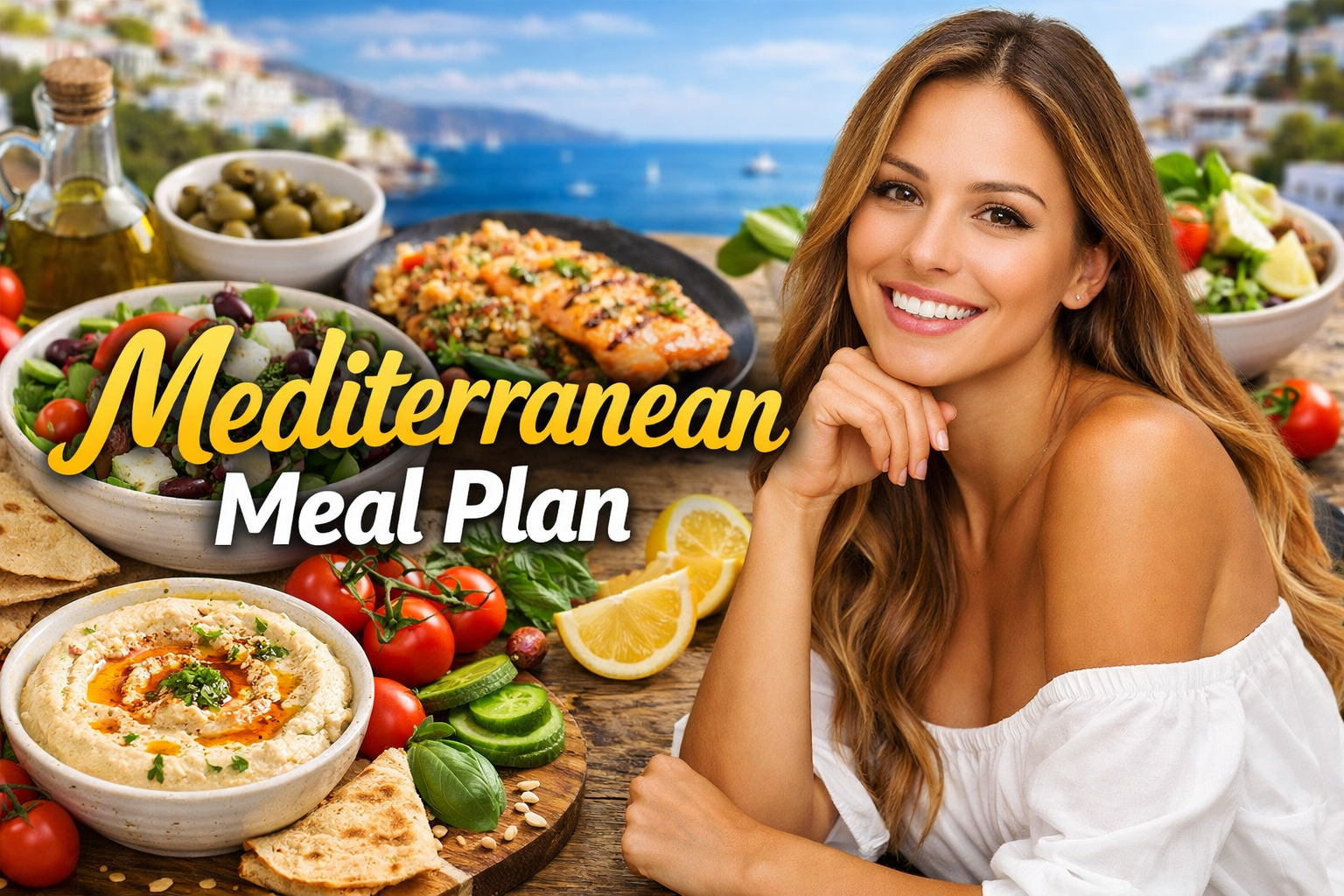
Mediterranean Diet Meal Plan

Mediterranean Meal Plan

Featured Snippet Summary

Mediterranean diet meal plan focuses on whole foods such as vegetables, fruits, whole grains, legumes, nuts, olive oil, fish, and moderate dairy. A balanced Mediterranean diet encourages mindful eating, regular meal prep, and traditional cooking methods that support everyday wellness. Healthy meal prep within this diet helps save time, reduce stress, and maintain consistent eating habits throughout the week.


Content Highlights

  • Simple Mediterranean diet meal plan for beginners
  • Easy meal prep ideas for busy lifestyles
  • Balanced weekly food structure
  • Traditional food choices with modern planning
  • Budget-friendly and family-friendly approach
  • Practical solutions for daily cooking challenges

Introduction Overview

The Mediterranean diet is inspired by traditional eating habits of countries bordering the Mediterranean Sea. It emphasizes fresh ingredients, simple cooking methods, and balanced meals. A well-planned Mediterranean diet meal plan helps people organize their meals efficiently while enjoying flavorful food.

Meal preparation plays a key role in maintaining consistency. Healthy meal prep allows individuals to plan meals ahead, reduce last-minute food decisions, and create a steady routine. This article provides a complete guide to Mediterranean diet meal planning, including weekly schedules, preparation tips, food lists, and solutions to common challenges.


Mediterranean Diet Basics

Traditional Food Focus

The Mediterranean diet centers on natural, minimally processed foods. These include:

  • Fresh vegetables and fruits
  • Whole grains such as oats, barley, and brown rice
  • Legumes like lentils, chickpeas, and beans
  • Nuts and seeds in moderate portions
  • Olive oil as the primary cooking fat
  • Fish and seafood several times a week
  • Limited red meat
  • Moderate dairy such as yogurt and cheese

This eating pattern supports balance and variety rather than restriction.


Why Meal Prep

Daily Life Support

Meal preparation helps simplify everyday cooking. Preparing ingredients or meals in advance ensures regular eating patterns and reduces dependence on packaged food.

Key benefits include:

  • Time management
  • Portion awareness
  • Reduced food waste
  • Consistent meal quality

Healthy meal prep works especially well with the Mediterranean diet due to its flexible food combinations.


Weekly Meal Structure

Balanced Weekly Plan

A Mediterranean diet meal plan usually follows a weekly structure:

  • Breakfast: Whole grains, fruit, dairy
  • Lunch: Vegetables, legumes, whole grains
  • Dinner: Fish or plant-based protein with vegetables
  • Snacks: Fruits, nuts, yogurt

This structure allows variety while maintaining balance.


Seven Day Plan

Day One Meals

Breakfast: Greek yogurt with fruit and nuts
Lunch: Lentil salad with vegetables and olive oil
Dinner: Grilled vegetables with whole grain bread
Snack: Fresh fruit

Day Two Meals

Breakfast: Oats with seeds and berries
Lunch: Chickpea and vegetable bowl
Dinner: Baked fish with greens
Snack: Yogurt or nuts

Day Three Meals

Breakfast: Whole grain toast with olive oil
Lunch: Vegetable soup with beans
Dinner: Stir-fried vegetables with grains
Snack: Fruit slices

Day Four Meals

Breakfast: Smooth yogurt bowl
Lunch: Quinoa salad with herbs
Dinner: Fish with roasted vegetables
Snack: Nuts or seeds

Day Five Meals

Breakfast: Oatmeal with fruit
Lunch: Bean salad with … Read More

Microwave Food in Plastic – What Impact Does It Have?

Microwave Food in Plastic – What Impact Does It Have?

Introduction

In today’s fast-paced life, microwaves have become an essential kitchen appliance. From reheating food to cooking meals quickly, they save both time and effort. Many people use plastic containers in the microwave to heat their food. But have you ever wondered — is it safe? Does heating food in plastic cause any health problems?

Let’s understand the impact of microwaving food in plastic and what science says about it.


Why People Use Plastic in the Microwave

Plastic containers are cheap, lightweight, and convenient. Many takeaway and ready-to-eat meals come in plastic containers. So, people often pop them directly into the microwave without thinking twice.


The Problem with Plastic

Not all plastics are made equal. Some plastics contain harmful chemicals like:

  • BPA (Bisphenol A)
  • Phthalates
  • Dioxins

These chemicals can leach into your food when heated, especially when the plastic is:

  • Old or scratched
  • Not microwave-safe
  • Exposed to high temperatures

Health Risks of Heating Plastic

Studies have shown that heating certain plastics can release toxic chemicals into food. These chemicals may:

  • Disrupt hormones (especially estrogen)
  • Affect fertility and reproductive health
  • Increase the risk of cancer, especially breast and prostate cancer
  • Harm brain development in children
  • Lead to obesity and heart diseases over time

Even small amounts of these chemicals can be dangerous with repeated exposure.


Microwave-Safe Plastic – Is It Safe?

Some containers are labeled “microwave-safe.” This means they are tested to not melt or release harmful substances at standard microwave temperatures.

But remember:

  • “Microwave-safe” does not mean 100% safe.
  • It only ensures the container won’t break or leak chemicals under normal microwave conditions.
  • Long-term health effects are still being studied.

Better Alternatives

To be on the safe side, consider using these instead of plastic:

  1. Glass containers – Heat-resistant and chemical-free
  2. Ceramic containers – Safe and durable
  3. Microwave-safe silicone – A better plastic alternative
  4. Avoid heating cling film or plastic wraps

Also, never microwave food in single-use plastics or takeout containers unless labeled microwave-safe.


Tips for Safe Microwaving

  • Always check the label for microwave safety.
  • Don’t use old or scratched plastic containers.
  • Avoid microwaving greasy or oily food in plastic — oil heats faster and may break down plastic.
  • Don’t cover food with plastic wrap directly — use a microwave-safe lid or plate instead.
  • When in doubt, transfer the food to a glass or ceramic dish.

Conclusion

Heating food in plastic may seem like a small thing, but over time it can have serious effects on your health. The risk comes from chemical leakage when plastic is exposed to high heat. While microwave-safe plastics are better, they are not completely risk-free.

For a healthier lifestyle, it’s wise to switch to safer materials like glass or ceramic. Small changes in your kitchen habits today can protect you and your family’s health in the long run.


Would you like a version of this article in Hindi or infographic format as well?

Certainly! Here’s an extended version of the article “Microwave Food in Plastic – What Impact Does It Read More

🌞 Summer Diet Guide: What to Eat and What to Avoid

Introduction: Stay Cool and Healthy This Summer

As temperatures soar, our bodies demand lighter, hydrating, and nutrient-rich foods to maintain optimal health. Consuming the right foods can help prevent dehydration, heatstroke, and digestive issues, ensuring you stay energized throughout the season.


✅ Foods to Include in Your Summer Diet

1. Hydrating Fruits

  • Watermelon: Composed of over 90% water, it’s perfect for hydration and provides vitamins A, C, and antioxidants.
  • Citrus Fruits: Oranges, lemons, and limes are rich in vitamin C and help replenish electrolytes lost through sweating.
  • Berries: Strawberries, blueberries, and raspberries are packed with antioxidants and fiber, aiding digestion and cooling the body.

2. Cooling Vegetables

  • Cucumber: High in water content and low in calories, cucumbers are ideal for hydration and skin health.
  • Leafy Greens: Spinach, lettuce, and kale are light, easy to digest, and rich in essential nutrients.

3. Probiotic-Rich Foods

  • Yogurt: A natural probiotic that aids digestion and provides a cooling effect.
  • Buttermilk: Traditional Indian beverage that cools the body and supports gut health.

4. Natural Beverages

  • Coconut Water: Rich in electrolytes like potassium and magnesium, it’s excellent for rehydration.
  • Herbal Teas: Mint or chamomile teas served cold can soothe and hydrate.

5. Light Grains and Proteins

  • Whole Grains: Brown rice, quinoa, and millets provide sustained energy without heaviness.
  • Lean Proteins: Grilled chicken, fish, and legumes are easier to digest and suitable for summer meals.

❌ Foods to Avoid During Summer

1. Spicy and Fried Foods

  • Increase body heat and can lead to discomfort and indigestion.

2. Red Meat

  • Harder to digest and can raise internal body temperature.

3. Caffeinated and Sugary Beverages

  • Drinks like coffee, sodas, and energy drinks can dehydrate the body.

4. Processed and Packaged Foods

  • Often high in salt, sugar, and preservatives, leading to dehydration and bloating.

5. Excessive Dairy Products

  • Heavy creams and cheeses can be difficult to digest in the heat.

🌟 Highlights and Key Points

  • Hydration is Crucial: Aim to drink at least 8-10 glasses of water daily and include hydrating foods in your diet.
  • Eat Seasonal Produce: Seasonal fruits and vegetables are fresher, more nutritious, and better suited for the body’s needs during summer.
  • Light Meals: Opt for smaller, more frequent meals to aid digestion and prevent sluggishness.
  • Limit Outdoor Eating: Street foods may not be stored or prepared hygienically, increasing the risk of foodborne illnesses.

Absolutely! Here’s a detailed table-style list of common summer foods, their health benefits, and potential problems or precautions, presented in a clear, structured, SEO-friendly format. This section will boost user engagement, increase page time, and support better ad performance.


🥗 Comprehensive Summer Foods Chart

Food ItemBenefitsProblems / Precautions
WatermelonHigh water content, rich in vitamins A and C, keeps body hydratedMay cause bloating if consumed in excess; avoid at night
CucumberCooling effect, aids digestion, supports weight lossCan cause gas or acidity in rare cases when overconsumed
Coconut WaterNatural electrolyte,
Read More

Eating Raw Chicken: A Fowl Idea – Fact Cross Check

Introduction: The Dangers of Raw Chicken

Eating raw chicken is undoubtedly a dangerous choice. While some cultures may have dishes that include raw meat, consuming raw chicken is risky and can lead to severe health problems. Many myths and misconceptions circulate about the safety of raw chicken, with some people claiming that certain foods are fine to eat raw if prepared carefully. However, raw chicken is not one of them. In this article, we’ll dive deep into why eating raw chicken is considered a fowl idea, why processed chicken isn’t washed in bleach, and how these practices impact your health.

The Raw Truth About Eating Chicken

Raw chicken can carry harmful bacteria like Salmonella and Campylobacter, which are notorious for causing foodborne illnesses. These bacteria are resistant to heat and survive in raw meat, making them a potential cause of food poisoning. Consuming undercooked or raw chicken increases the likelihood of contamination, and the symptoms of food poisoning can be severe, including diarrhea, nausea, vomiting, and fever. In some cases, the illness can even lead to hospitalization.

Processed Chicken: The Real Controversy

A widespread belief is that processed chicken, particularly in mass production, undergoes intense chemical cleaning, which includes the use of bleach to eliminate bacteria. However, this is a myth. While chicken may be treated with various food-safe chemicals to reduce bacterial load, bleach is not typically one of them. The methods used in commercial chicken production, such as chlorine washes, are controversial and often misunderstood.

This leads to the question, should you be concerned about how processed chicken is treated? Let’s explore the facts and clear up the confusion around processed chicken and its potential effects on health.


Why Raw Chicken is Dangerous to Eat

Bacterial Contamination

The primary concern when eating raw chicken is the risk of bacterial contamination. Salmonella and Campylobacter are the most common culprits. These bacteria are present in the intestinal tract of poultry and can easily spread to the meat during slaughter and processing. Even minimal handling can introduce bacteria into the chicken.

When chicken is cooked, high heat kills these bacteria, rendering the meat safe to eat. However, when consumed raw, there’s a high risk of foodborne illness, particularly from these bacteria. According to the Centers for Disease Control and Prevention (CDC), Salmonella causes around 1.35 million infections, 26,500 hospitalizations, and 420 deaths annually in the U.S. alone.

Illnesses Caused by Eating Raw Chicken

Eating raw chicken can result in a variety of illnesses, including:

  • Salmonellosis: Symptoms include diarrhea, fever, abdominal cramps, and vomiting. The infection can sometimes lead to more severe complications such as kidney failure and sepsis.
  • Campylobacteriosis: This bacterial infection causes fever, abdominal pain, diarrhea (often bloody), and vomiting. It can also lead to Guillain-Barré syndrome, a serious neurological condition.
  • Listeriosis: Although less common in chicken, Listeria monocytogenes can sometimes contaminate poultry and cause serious infections, particularly in pregnant women, newborns, and immunocompromised individuals.

Processed Chicken: What’s Really in Your

Read More